Natural
Healing Beverages
From Around the World.
Madal Bal -
Switzerland.
Detox, lose
weight, and keep it off.
Madal
Bal first came to the attention of the British
public when Beyonce spoke about a fast she used to
drop weight safely and quickly whist she was working
on her role for 'Austin Powers.'
The
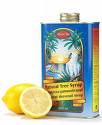
tree syrup, called Madal Bal, is produced by Puris
AG of Switzerland directed by Dr KA Beyer, one of
the original group of practitioners who developed
the blend.
Madal
Bal is a liquid diet regime or fast, based on a
totally natural drink made from a special organic
tree syrup, mixed with fresh lemon juice, spring
water and a pinch of cayenne pepper.
The
tree syrup is a blend of maple and palm tree syrups
designed to provide a balance of minerals and trace
elements. The fresh lemon juice provides vitamin C
and potassium, and helps to dissolve mucus and
waste. The cayenne pepper adds a zing to the
flavour, as well as a stimulatory heating effect,
which speeds cleansing and elimination.
The
syrup comes from the sap of five types of tree - the
maple, and four rare Asian palm trees - all growing
naturally and organically. The maple sap comes from
Bird's Eye maple trees of North America. Trees need
to be over 40 years old to extract sap without
harming the tree, and the sap can only be extracted
during a few months of the year.
This
pure syrup is very different from most maple syrup
sold in shops, which can be over 90% artificially
synthesized from sugar and corn syrup.
The palm syrup comes from the sap of
the Arenga, Kita, Nipah and Palmyra palm trees,
which grow in forests in different areas of
South East Asia. The sap from each type of tree
is extracted using techniques introduced and
monitored by Swiss aid workers. The sap is
carefully turned into syrup, and then the syrups
are blended and canned. No sugar, preservatives
or chemical processes are used.
neerasupercleanse.comThe
diet originated as a ten-day fast (three to five
days for those not used to fasting) under the
supervision of a practitioner if new to this. The
ten-day fast should not be carried out too
frequently. Even for weight loss, the maximum
frequency is repeated ten-day fasts with four weeks
or more between each one.
NOTE:
Fasting is one of the best ways to detox and help
the body heal itself. Fasting rests the digestive
tract and stimulates the immune system to speed
recovery.
And YES, Madal Bal WORKS to lose weight
- we know because we did a 7 day fast, and we did
not regain the weight for months.
FYI:
Weight gain occurs from over eating, a poor diet,
lack of exercise, high cortisol (stress).
Açai Berries - Amazon,
Brazil:
The
Açai berry, a superfood, has been shown to contain up
to 30 times more anthocyanins levels than in the
grapes used to make red wine and thereby has an
important role to play in the reduction of incidents
of heart disease. Packed full of
antioxidants, amino acids and essential fatty acids.
A
few benefits: anti aging, boosts energy, natural
viagra, kills leukemia cells, anti inflammatory.
Find
here: www.amazonthunder.com/faq.html
Mona
Vie - Watch this video to understand the Acai
Berry and learn about Mona Vie, a blend of 19
amazing fruits containing thousands of
phytonutrients and antioxidants:
Find here: www.monavie.com
sambazon.com
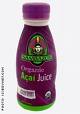
Organic
Acai Juices and Smoothies: It has a rich
flavour, with a hint of cocoa, and it contains more
antioxidants than blueberries or pomegranates. It's
also packed with omega fats, protein and dietary
fibre.
Green Tea -
China:
CUT
YOUR CANCER RISK
Several polyphenols - the potent antioxidants green
tea's famous for - seem to help keep cancer cells
from gaining a foothold in the body, by discouraging
their growth and then squelching the creation of new
blood vessels that tumors need to thrive. Study
after study has found that people who regularly
drink green tea reduce their risk of breast,
stomach, esophagus, colon, and/or prostate cancer.
SOOTHE YOUR SKIN
Got a cut, scrape, or bite, and a little leftover
green tea? Soak a cotton pad in it. The tea is a
natural antiseptic that relieves itching and
swelling. Try it on inflamed breakouts and
blemishes, sunburns, even puffy eyelids. And
that's not all. In the lab, green tea helps block
sun-triggered skin cancer, whether you drink it or
apply it directly to the skin - which is why
you're seeing green tea in more and more
sunscreens and moisturizers.
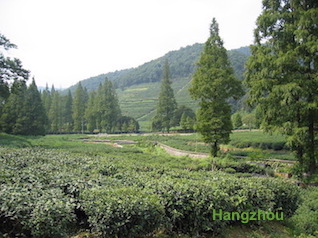 World famous tea
terraces
World famous tea
terraces
in Hangzhou, China.
STEADY
YOUR BLOOD PRESSURE
Having healthy blood pressure - meaning below 120/80
- is one thing. Keeping it that way is quite
another. But people who sip just half a cup a day
are almost 50 percent less likely to wind up with
hypertension than non-drinkers. Credit goes to the
polyphenols again (especially one known as ECGC).
They help keep blood vessels from contracting and
raising blood pressure.
PROTECT
YOUR MEMORY, OR YOUR MOM'S
Green tea may also keep the brain from turning
fuzzy. Getting-up-there adults who drink at least
two cups a day are half as likely to develop
cognitive problems as those who drink less. Why? It
appears that the tea's big dose of antioxidants
fights the free-radical damage to brain nerves seen
in Alzheimer's and Parkinson's.
STAY
YOUNG
The younger and healthier your arteries are, the
younger and healthier you are. So fight plaque
build-up in your blood vessels, which ups the risk
of heart disease and stroke, adds years to your
biological age (or RealAge), and saps your energy
too. How much green tea does this vital job take?
About 10 ounces a day, which also deters your body
from absorbing artery-clogging fat and cholesterol.
LOSE WEIGHT
Oh yeah, one more thing. Turns out that green
tea speeds up your body's calorie-burning
process. In the every-little-bit-counts
department, this is good news!
TIP:
Study up and only buy the best green tea you can
find, don't settle for less. We visited Hangzhou,
China and they told us they keep the very best to
themselves and do not export it - even the Queen of
England paid them a visit. Everywhere you go in
China, people are drinking jars of green tea because
the health benefits are phenomenal.
Extraordinary
Guide To Green Tea:
foodal.com/drinks-2/tea/whats-the-buzz-about-green/

Yerba Mate - S.
America:
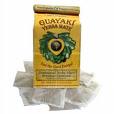
More than a drink, Yerba Mate has
become a cultural phenomenon throughout South
America. This ancient medicinal drink promotes
weight loss, mental alertness, energy, longevity
and much more.
Argentinians are famous for their
beautiful women and handsome men. Possibly Mate
Tea is one of the reasons why!
Trader Joe's.
Which seafood is safe to eat?

Download pocket-book guides:
seafoodwatch.org
Be very careful what you eat from the ocean as
it is horribly contaminated and polluted. The
oceans have dramatically changed over the years:
1) Radiation from Fukushima, Japan, Pacific
Ocean.
2) Poison in the Gulf of Mexico from oil spills.
3) Polluted and contaminated farm raised fish.
4) Mercury poisoning.
5) Plastic pollution.
-
Consume fish or
shellfish sparingly,
only a few times each
month.
-
Opt for wild caught Alaskan salmon
or cod.
- Freshwater trout is delicious.
©2002-2025 Chi Energy
International.
SOQI Health Magazine - Plastics, Telomeres,
Beverages, Seafood.
Disclaimer
// Copyright
// About



 MUST SEE: