-
Secondary
Lymphedema.

Lymphedema is the accumulation of
lymphatic fluid in tissues, that thereby causes
swelling due to the inability of the lymphatic
system to drain the excess fluids.
Secondary lymphedema usually develops
when lymphatic vessels are damaged as a result of
radiation, infection, trauma, hip or knee surgery,
blood clots, long term circulatory problems or
surgical removal.
Secondary lymphedema frequently develops when
the lymphatic system is damaged or disrupted through
cancer surgery, radiation therapy, chemotherapy,
lymph node dissection or lymph node biopsy.
Traditional western medical treatments for
cancer have created the single leading cause of
secondary lymphodema. Surgeries that involve the
removal of cancer - such as prostate, colon, uterus,
bladder, breast and malignant melanoma - create the
most likely possibility of secondary lymphodema
development due to the removal and damage done to
lymph nodes.
Excess weight creates a high risk for the
development of secondary lympedema due to the flow
of lymph being blocked by fat.
Secondary lymphedema occurs most often in the
arms and legs, and sometimes in other parts of the
body. It may occur immediately after surgery, or
within a few weeks, months, sometimes years later.
Venous
Oedema.
Venous oedema develops due to venous
insufficiency. Venous insufficiency is caused
by vascular disease, the prevalence of varicose
veins, or previous deep vein thrombosis (inactive),
which develops as a result of high blood pressure or
if the heart is not working properly.
Insufficient blood flow in the veins of the
legs, resulting from prolonged physical inactivity,
trauma or blood clots will also cause venous
insufficency.
When venous insufficiency takes place, excess
fluids cannot be efficiently removed through the
veins thereby leading to leakage into the tissues.
This then creates swelling in the affected limb -
known as venous edema - tingling, cramps, varicose
veins and skin pigmentation. If severe and extreme,
ulcers and skin wasting may begin to occur.
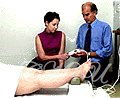
Professor
Neil Piller, one of the worlds leading
authorities on the treatment of lymphedema, led medical research
held at Flinders University in South Australia
between 2000 and 2002, to determine the
effectiveness of the Sun
Ancon Chi Machine to drain the excess
fluids from patients suffering from secondary
lymphedema and venous oedema. These clinical trials
showed there was a significant reduction in fluids.
Professor Piller concluded the Sun Ancon Chi Machine
was the most efficient method of lymph drainage that
he had come across to date.

Three Clinical
Trial Booklets of Lymphedema Results are
available.
Secondary Lymphedema, Venous Oedema and
Testimonials.

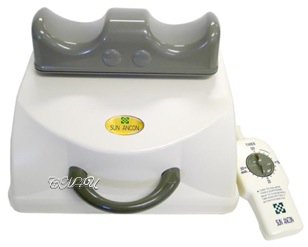
Sun Ancon Chi Machine used for clinical trials in
Australia.

SITE
MAP
Guide to entire site.
The most extensive Sun Ancon Chi Machine on the
internet.